
We are just witnessing the public launch of a revolution that will be at least as big as the widespread introduction of the steam engine, electricity, the assembly line, or the Internet. Incredibly few people realise how radical the upheavals caused by artificial intelligence will be. Especially those who should actually know. Including me.
The results of Generative AI are formally and textually impressive, but the meaningfulness and truthfulness are not always. Sometimes ludicrously wrong.

Data privacy, business secrecy, and professional confidentiality when asking questions – as the processing takes place in public clouds and the data could be used for other purposes – as well as the evaluation of the answers by experts because of biased or poor training and AI hallucinations still to be solved, especially for us as at law firms.
Those who keep reading bad texts by journalists who write about things that do not concern their domain of knowledge are already looking forward to AI. At least it will render the names, products, and technical details correctly.
DeepL Translator and Naix Redaction, which are different techniques working with Natural Language Processing, show what AI can already do with language today. They have been on the market for some time and have resolved the compliance issues. Generative Pre-trained Transformer products with Large Language Model like ChatGPT, Microsoft Bing with GPT and footnotes (!), Google AI’s Bard, or Aleph Alpha have just seen the light of day.
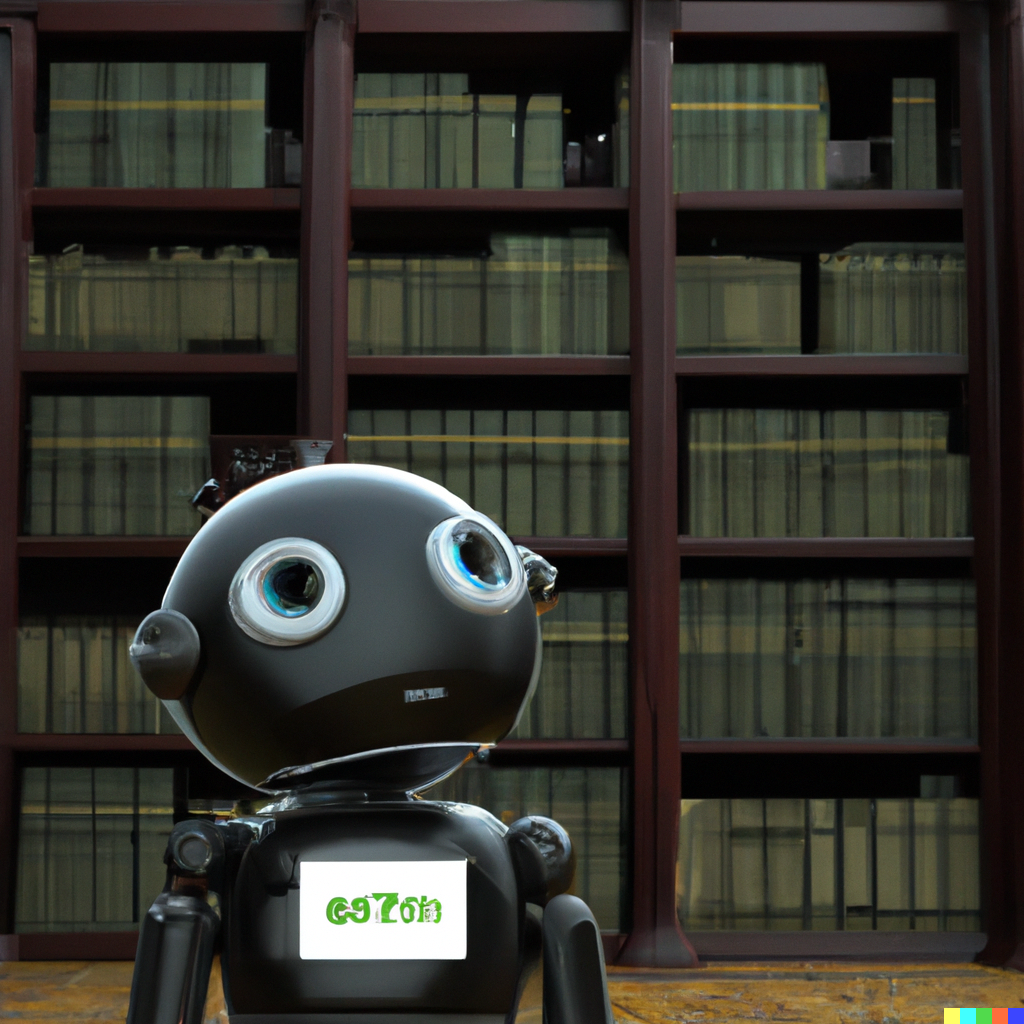
It is said that technology does not destroy jobs, but only shifts them. This is probably true for AI as well. But the value of the knowledge of those who can be made redundant by such AI will decline faster and more dramatically than we currently realise.
(The title of this post was shamelessly stolen, eh, freely adapted from Tanita Tikaram)